Choosing Exterior Paint Colors

Exterior Paint Colors

Exterior Paint Colors

There are a wide variety of reasons why a homeowner chooses to undertake an exterior painting project. A fresh coat of paint or changing to more modern paint colors can increase the home’s curb appeal. But it can also help protect the exterior portions of the home from damaging weather conditions and pests. Many homeowners like to freshen up with NJ residential painting before putting the property back on the market for sale. Whatever reason the homeowner has there are some paint colors that work best for exterior painting. Much of the choice will depend on a homeowner’s personal taste as well as the home itself. The home’s size and style will largely influence what paint colors will work best. The materials it is constructed of and the type and color of the roofing materials are important factors that also need to be taken into consideration when choosing exterior paint colors.

According to many homeowners, standard white is still among one of the most popular paint colors used for exterior residential painting in New Jersey. Many people prefer it and in some neighborhoods it is required. It is a very versatile color and trim color choices are simply unlimited. Trim and other architectural design elements can be accented using bright color choices. Using white paint for exterior painting in New Jersey can help the house look larger and lighter. This is a nice touch especially for homes that are located in a very shady area.

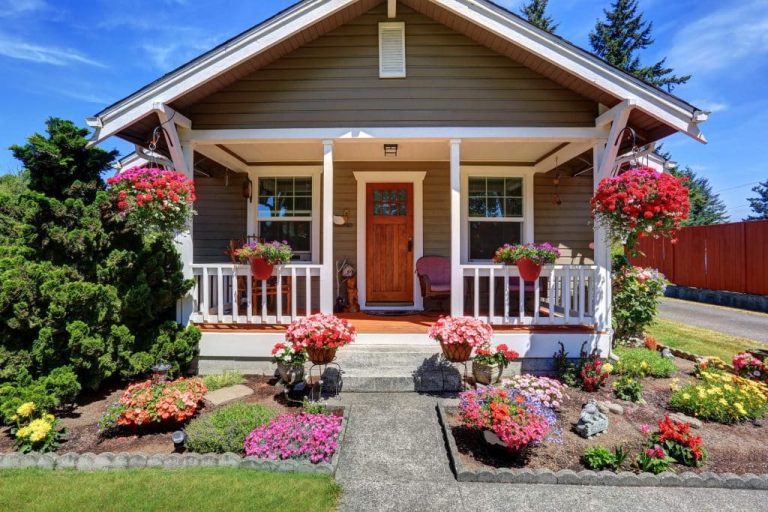
For the homeowner who desires to give their home a more modern look it is important to choose from among the many neutral colors. Think about some of the colors that have been used on recent housing developments around where you live. The modern home is typically painted using light, neutral colors. This includes shades of tan, cream, gray, beige and clay. With these color options trim is typically painted white. However a tasteful choice can also be to paint the exterior portions of the home with a light hue and then use a darker shade of the same color to accent the trim or other fixtures. For example, painting a home light gray gives a homeowner many options for other exterior painting projects. Trim may be painted white and then doors can be painted a deep blue-gray color for the perfect accent.

In general it is not advisable to use darker colors for painting the exterior portions of the home. However, depending on the surroundings and the neighborhood darker hues can be a great option for paint colors in New Jersey. Lighter colors can make an older home appear less charming and they can look completely out of place in an established neighborhood. These colors can take away from its overall charm and appeal. Older homes can handle some of the medium to darker shades of gray, blue, brown or tan. Sometimes homes which have been built from brick or stone look great with a dark colored trim like red, blue or deep green.

Choosing Interior Paint Colors

Interior Paint Colors

Interior Paint Colors

Choosing paint colors for interior painting projects sounds like a very easy task. However, getting just the right color can be a complicated process. The walls in a room are the largest visible space for the most part and they must be the right colors for the mood that is to be established. There are several elements that must be considered when choosing paint colors in New Jersey but once the right one is chosen the mood, atmosphere and aesthetic appeal can be brought into perfect balance. There are some colors to avoid but there are some colors that get chosen for interior painting projects over and over again. What are some of the best interior paint colors to choose from?

White is considered to be the most popular choice by many. It is very adaptable and versatile since it really goes with every color and can be adapted into any décor or interior design. There are some advantages associated with using white for NJ interior painting. It can make small spaces appear much larger; and this works even in very small spaces. When white is used for interior house painting it can make the room appear much brighter and fell much fresher. It is also great for the summer months because it has a cooling effect. For those who do not prefer the plain white look simply add a small amount of red, blue or any other color to soften its effect.

Off white and light brown are two paint colors that are often chosen for interior painting. Light brown works great in a large room. It will not make the room feel larger and it will add a little bit of warmth to the room It is also a great color for a room that you want to have a more masculine appearance. It also goes well with different shades of pink or blue. It is best to avoid using light brown in a real small room since it can make it feel somewhat oppressive.

Whites and browns are among the most versatile colors to choose from. Other colors may work well in one room, but not in another depending on the room’s main function. For instance yellow is a “happy” color and is frequently used in kitchens and bathrooms.

Red is vibrant and alive. And while using it for an entire room can be very overwhelming, it can be great for an accent wall. Red is somewhat versatile as the hue can be easily adjusted to help achieve a desired effect. Add a tiny bit of orange and it will be even bolder. Reds that have a hint of blue added in can be a great color for many projects.

There are some cooler color choices as well such as blues and greens. Bedroom favorites include various shades of blue. Blue is usually chosen for a boy’s bedroom since it is typically associated with the male gender. Light blue can make occupants think of the warmth of a sunny day whereas darker shades of blue can bring a touch of sophistication or elegance into the décor.

Best Paint Colors

Paint Colors

Paint Colors

Choosing the right paint colors is an essential step in any interior painting project no matter what type of residential painting is being done. Choices for interior painting projects helps set moods and atmospheres in key areas of the house; New Jersey exterior painting projects enhance and protect the outside of a home and improve its aesthetic appearance. There are some ways to help ensure that the right paint colors are chosen for any given project.

Take some time to look at lots of pictures of various types of residential painting examples. There are tons of pictures displaying various colors in different rooms and with a wide variety of decorating styles. Pictures can sometimes foster creativity for the areas you want to paint in your own house as well as give you lots of ideas of the colors you do or do not prefer for NJ residential painting projects in your own home.

When choosing colors consider using a regular color wheel to get some ideas on how different colors may work together. Remember to consider a color’s intensity and range. All colors have a range of values that span from lighter to darker hues. A paint strip can be a great tool as you can see how a color’s hues change from light to dark in both intensity and value. Take paint chips or paint strips bearing various paint colors that you feel are valid options for interior or exterior painting projects. Take these examples to the area that is going to be painted. This can give you an idea of how the color will work in the actual lighting in the area.

Bright paint colors can be a wonderful touch in some rooms. However, bright colors can be overwhelming in smaller areas. Try painting one accent wall a bright color rather than the entire room. This gives the room a touch of color without overwhelming or overpowering guests. Remember that a room’s color can affect moods. Cooler paint colors will elicit calm emotions and warmer paint colors will tend to energize the room.

Consider some of the other elements that can have a positive or negative affect on chosen paint colors. Think about the type of flooring a room has and make sure the color used for interior painting will be complementary. Adjacent rooms can also influence a room’s appearance. While you may use different colors for adjoining rooms, you do not want them to clash either. Also remember to match interior painting colors with furnishings and fixtures that will be used in the room. This is also true for exterior painting projects. Roofing and fixtures need to be complementary and blend well with chosen paint colors.

If you are finishing up some residential painting to put your home back on the market you will want to choose more neutral colors. They are typically considered safer options and are more acceptable by the masses. Neutral colors for selling your home are great since they can help a potential buyer visualize how their personal objects will fit into the room or space.

Exterior Paint Options

Exterior Paint

Exterior Paint

There are three main components that make up paint. The binder is the main component and it can be synthetic or natural. Synthetic binders are latex or acrylic and an example of a natural binder is linseed oil. The binder is what determines the durability and flexibility of the paint. The solvent gives the paint its liquid form; whether that is water or oil based. And pigment simply adds color.

Choosing the right type of paint for New Jersey exterior painting is the key to a successful final product. There are many different types of paints to choose from and the right one for the job will depend on what is being painted, how it is applied and how long you want it to last.

Latex paint is durable and dries quickly. This is a great type of exterior paint for novices to start out with. It is very easy to apply to a surface and easy to clean up as well. It does not need to be thinned and can be easily applied using either a brush or a roller. However, you must guard against spreading it out too much or you’ll end up with very thin spots. One advantage to using latex paints for exterior painting projects is that it is naturally resistant to mildew.

Acrylic paint is really another type of latex paint. It is thinned out with water and will dry much faster than other types of paints. It can be used on many different types of building materials. Acrylic paints can also be used on masonry and metal if it is primed properly.

Alkyd paints are synthetic resin paints. It is a little thicker than latex paints which makes it a little more difficult to apply. It has most of the same properties that oil based paints have but it dries much quicker. It covers an area very well and can be used over old alkyd or oil based coats.

Oil paints can take up to 48 hours to dry. Many people do not like using oil based paints for residential house painting. Partly because of the length of time it takes to dry. But it also has very strong odorous fumes and is difficult to cleanup. However, exterior painting professionals still stand by it as far as durability is concerned.

There are also some special types of paints used for specific outdoor surfaces. For porches and decks the choices are varied. Epoxy, latex, polyurethane, alkyd and rubber based paints are all viable options. Most of these types of exterior paints will work on concrete or wood equally well.  Metal surfaces can be painted using paints that are resistant to rust as long as they are properly primed. Some paints are formulated specifically for boats and marine vehicles. These are designed to cover wood and metal so that they have a lasting finish. Rubber, epoxy, latex and alkyd paints can be used on masonry. Latex is the easiest one to apply but some of these paints can act as their own primer which cuts down on expense and time consumption.

Making Your House Look Younger

Just because a home is older does not mean it must look it. There are plenty of ways that can help any house appear younger; and it doesn’t matter how old the house actually is. Your home is an extension of your personality and character; it should not look uncared for or untended. It can be very expensive for homeowners to get involved in a massive home renovation project, as well as time consuming. But there are some less expensive ways to make your house look much younger.

Exterior residential painting

Exterior residential painting

NJ residential house painting can be broken up into smaller jobs; you do not have to do it all at the same time. Plan to complete exterior painting projects first. Remember to include doors and trim in your exterior painting project. Dilapidated windows or doors can be real eye sores and take away from the overall appearance of a home. Sometimes all that is needed is a fresh coat of paint. Painting the exterior portions of a home is one of the fastest ways to spruce up any home.

Then consider doing some interior painting in one room at a time. It is not as overwhelming as trying to repaint the entire house all at one time; and it’s easier to manage financially. Start in the room that needs it the most and over time work your way throughout the entire house. Remember to paint all the extras in each of the rooms at the same time. This means that you will need to paint doors, trim and ceilings in each room as you work your way through. Each section will need a fresh coat of paint if the room is to look and feel younger. Leaving any of these undone will take away from the appearance of the area.

Complete various repairs that can make the house look dilapidated or old. Repair or replace broken window panes, siding, trim or doors. If exterior lights are not functioning properly or fixtures are broken, repair them or replace them with newer ones that work properly. Make sure that any exterior lighting fixtures are not in disrepair. Broken fixtures can take away from a home’s appearance. Working exterior lights can help a home seem more inviting and alive. Check the porch or deck to make sure that it is not in disrepair. A broken hand rail or edge can add many years to the appearance of the home. Simply keeping all the outside fixtures properly repaired can add to its curb appeal as well as actually increase the home’s monetary value.

Take the time to clean up the outside of your home and if it is feasible, have the yards landscaped. Adding plenty of greenery can make the exterior portions of the home look vibrant and young. Also remember to keep the outside areas of the house free from debris and clutter. Clean out areas such as gutters or drain pipes. Also repair any spigots or other water sources to keep them from leaking.

Making a Room Look Bigger

Room Painting

Room Painting

Sometimes smaller rooms can feel rather inhibiting or confining. However, there are several ways to help make a room appear larger and feel much more open. Some methods including interior design techniques, color schemes used for interior painting, lighting and even NJ wallpaper design that can help make a room seem larger than it is. It may be as simple as removing a piece of furniture or artwork and replacing it with smaller pieces. You do not have to tear out a wall to make the room appear larger.

Interior Painting

There are certain colors used for NJ interior painting that can immediately brighten the room and give occupants the sense that it is larger. Lighter colors can be used to enlighten an area and make it look bigger. Using bright colors make the space feel more open since they tend to reflect more light. Using darker colors will make the room feel like it is coming in on you as they can be overwhelming in a small space. Use bright colors and soft tones of greens and blues to make a room appear larger and more inviting. Painting wall trim and molding lighter colors can help walls appear to be further back which makes the room have the illusion that it is much bigger.

Lighting

Lighting can be used to open up a space. For smaller areas, recessed lighting can be very appealing. Torchiere lights are very good options for lighting as they can be used to bounce light off the ceiling. This reflected light makes the room much brighter and makes it feel larger. The more natural light you can work into the NJ interior design the more open the room will seem. However, do not be afraid to add artificial light too as it can have the same desired effect. Windows can make a room seem larger since the visitor can have an expanded view. Window treatments should be light or sheer to allow for more light.

Incorporating the use of mirrors into a room’s interior design can make a room appear bigger since they can be used to reflect both artificial and natural light. This light is reflected across the room and its overabundance can help make the space appear bigger. To keep the area uncluttered, you may use cabinet doors that have mirrors on them as well. Another great option is to use mirror tiles for one wall. It will make the room feel twice the size.

Interior Design

If you choose to decorate using any types of wallpaper design, choose lighter colors with very small details. Large prints will tend to swallow the room and cause it to appear smaller. But very small prints in lighter colors can help add to the illusion of depth in a room. When planning interior design in New Jersey, keep the flooring light as well. It can be constructed of a light colored wood such as oak, or light colored carpet. This will help open up the room even more.

Furnishings should also be considered and options adapted to helping the room feel bigger. Too many pieces can close in a small space; as can pieces that are too large. Use a love seat instead of a full sized sofa; or use two smaller chairs. Chairs may also be kept close to the wall and then pulled out when you need more seating options.

Victorian House Painting

Victorian House Painting

Victorian House Painting

Victorian homes are classic works of architecture and this design allows much room for creative exterior painting schemes. There are several distinct features that are typical of homes that were constructed during the Victorian era. They feature ornate wooden trim, wraparound porches, fancy cupolas and various complex shapes. Many homeowners enjoy using two or three colors for exterior painting projects to help display these finer architectural details. Making the right color choices can help make a Victorian home into an artful showpiece that is sure to attract admiration.

There are many architectural details that are typical with a Victorian home; these can be accented with color. Generally, the NJ exterior painting of a classic Victorian home is done using three colors. This will include a main color, a different color for the trim and a third color just for accent. It is important to choose color schemes that will not clash, but will be cohesive and bring the home’s exterior into one common theme.

During the Victorian era the home’s exterior painting was done in colors that were taken from nature. American architecture was trying to make a break from the bland Puritanical styles that dictated the use of only white and one other color. To get away from these bland colors architects began to redefine the colors used in residential house painting. They used colors from nature such as browns or tans. The earth tones were paired with a wide variety of more interesting colors such as sage, plum, olive, mulberry red or ginger yellow. The bold colors were used on the finer features and woodwork so that they caused the house to stand out but not be overbearing.  Use just enough color to accent the finer details like gingerbread trim. Shingles can be painted a dark red and accent the roof’s ridge and pillars of the porch with a deep forest green. You want these features to stand out. These color combinations are still great options for Victorian home owners today.

Victoria Painted Ladies are homes that are very colorful and use vibrant exterior painting color schemes that pull out and make the most of the finest features of the Victorian home. These designs take accent colors to a whole new level. Porch balustrades are highlighted with bright and bold colors which decorate the intricate woodwork. Rings on the newel posts are painted with bright colors for accent. Windows are outlined with bright yellows and this is also used for the trim that is located under the home’s eaves. Sometimes the second story of the home is painted in a slightly lighter tone than the bottom story. There are some NJ exterior painting professionals who specialize in designing Painted Lady designs using appropriate color schemes for Victorian homes.

Choose exterior paint colors carefully to ensure that the combinations work well. It may be a good idea to purchase several sample containers of some of the colors you would like to use and make a few “paint boards.” These will help you be able to discern what colors will work best for exterior painting, and which ones are not going to work at all. You may also use some paint samples to see what will look best during daylight hours. It is very important to choose colors that will blend well together and complement one another.

Ideas for Painting Your House

There comes a time when every homeowner will tackle an interior painting project of some sort. It is inevitable; it’s going to happen. There are many different reasons that a task like this is taken on and some feel like it is a boring job that must be endured. But a little bit of creativity can bring a house to life while accomplishing the task at hand. Here are a few creative ideas to consider the next time you are preparing to paint your house.

House painting

House painting

Accent Walls

Accent walls can be used to make a bold statement. They bring in just the right amount of color to balance out the space without being overwhelming. It’s a great way to use an interior painting color that you really like but it is too bold to use on all the walls. It can add a rich element or a vibrant color to an otherwise dull color scheme. An accent wall is a nice touch in a child’s bedroom or playroom. The child can choose the color that they like – no matter how crazy it seems. Then use that bold color for one accent wall. It can be balanced out by painting the other walls in the room with neutral colors that are more “acceptable.” If you want to go with a more subdued contrast, an accent wall can be painted in a shade that is a little deeper than the other wall color. It can break up the single color and add a little interest and texture to the room.

Chalkboard paint

Any room in the house can provide a surface to apply chalkboard paint. It is an interior paint that is applied just like any other type of paint. However, when it dries it becomes an instant chalkboard. It is a reusable surface that is very versatile and useful in many different rooms of the house. In the kitchen it can be a menu board, a message board or a place to create a shopping list. It’s a great idea for kid’s rooms or play rooms too.  It can even be used on a tabletop. Closet doors make a great surface to apply chalkboard paint to as well.

Try Stripes

One of the more modern interior painting trends incorporates the use of stripes. This is one of the most popular choices in modern interior decorating. Stripes can give us a very interesting and energizing room. The choices lie in the colors that will be used, the best widths and direction of the stripes. Painting with dynamic stripes can totally change the perception of a room or space. The desired effect is achieved by the combination of color combinations, direction and stripes width. Lavender with white stripes can make an otherwise dull breakfast area come to life. They make a powerful statement and many times they are only used on one wall or the ceiling so that they do not overpower the rest of the room’s décor but rather help to blend it all together.

No matter which direction you choose to take for your Essex County interior design planning ahead will ensure that the final outcome will amaze both you and your guests and will bring your family much enjoyment through the years.

Luxury Home Decorating Ideas

Luxury interior painting

Luxury interior painting

There are many reasons homeowners undertake a home decorating project. Many times we decorate when we purchase a new home and want to give it a personalized touch. Sometimes it is simply because a newer, fresher look is desired. Home decorating can also be an important step when preparing a house to be placed on the market. Whatever the reason, there is a plethora of design techniques to be used when decorating the interior of a house. Interior painting for your NJ home is one of the most economical ways to decorate and give a room a facelift. It is a very worthwhile investment; and it is one of the most versatile of all decorating options.

Painting Fixtures

Besides the walls, there are many other types of painting projects that can have a decorative effect. Look around the room to be decorated and observe what types and how many fixtures the room contains. All of these can be painted with contrasting colors for a spectacular effect. Outlets, switches, vents and other fixtures can be painted with a neutral contrasting color like white. If the décor of the room uses darker colors then fixtures can be painted with a black or dark gray. This works well with furnishings that are darker hues. Painting the fixtures in these darker colors can also work with the rest of the décor to highlight central pieces like furniture.

Wall Hangings

Wall hangings can be set off with strips of solid colors. The bulk areas of the wall should be pallid. Then you can use brighter shades of color to accent the wall hanging. When paint is used for interior decorating small splashes of bright colors can be used to place borders around the important stylistic elements in the room.

Wall Art

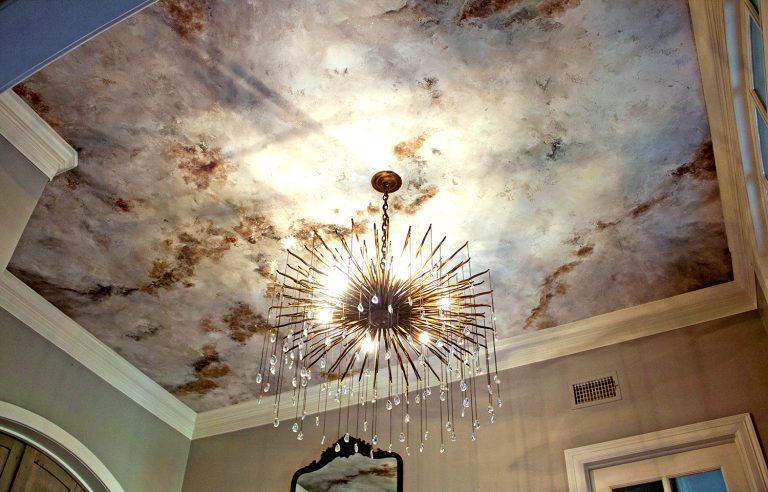
Wall art can make a style statement whereas barren walls leave a room feeling uninviting or empty. Wall art can be painted directly on a large unused wall or surface. Brighter colors can be used to create very interesting murals. Stencils are also a very popular decorative tool in today’s interior design. These can be used with an interior painting project to make the room have more personality and color. Stencils are also a great way for a novice to get started creating wall art. Those who are experienced at painting and artistic design may choose to simply free hand an artistic design.

Floor Painting

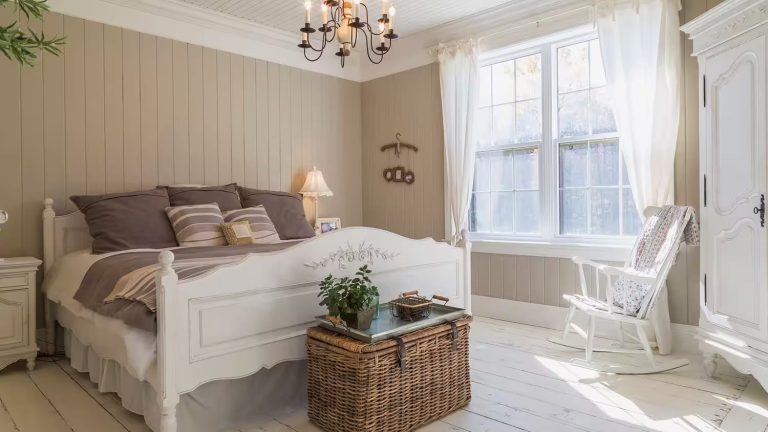
One of the latest and most exciting home decorating ideas is to paint the floor. This type of interior painting project is a lot less expensive than staining and finishing flooring. It is a much easier task and relatively easy for do-it-yourselfers. It is a very versatile surface and can complement the room’s décor. It can be painted a solid color which will work to blend the colors of the room together. Many prefer to paint the surface so that it looks like an area rug. These colors can be coordinated with the room and can cover up areas of a wood floor that are dented or scratched. For a charming, cottage look try a nice white. The colors and options are as varying as the decorator’s preference and style.

Exterior Design Tips

Exterior Design

Exterior Design

The first impression a visitor or guest will have of your home is the exterior design. It can be welcoming or uninviting; as well as anything in between. It is a very important part of the house that is many times overlooked. Exterior painting should always be kept up to date and in good condition to provide aesthetic appeal and to protect the exterior portions of the house from damage. But there are also many other exterior design ideas that can liven up your home and be representative of your personality and style while adding to its curb appeal. Here are a few New Jersey exterior design tips to think about.

Exterior Lighting

Exterior lighting can enhance the outside of the home in many different ways. It is just as important as lighting inside the home. Exterior lights can provide safety for visitors and guests as well as make an area more functional. Fixtures can be used as part of a landscape design or to illuminate the area around a deck or pool. They can also be used to line walkways. Light fixtures come in a wide variety of styles from torches and glass fixtures to solar powered units that automatically light up at night. Choosing the right, ornate fixture for a front walkway can also add a decorative touch that can be enjoyed in the daytime hours as well.

Landscaping

An exterior design simply is not complete without the addition of greenery of some sort. Placing the proper plants in certain areas can do a lot to enhance the home. Annual or perennial flowers can be placed in pots near the porch or windows. Shrubbery can provide some privacy as well as accentuate the colors of the home. Ground cover such as English Ivy can provide a colorful decoration as well as make that area of the yard nearly maintenance free. Flowers, greenery, shrubberies and trees can all make the home more inviting and approachable.

Backyard Escape

When considering exterior designs the backyard is just as important as the front. It may not be the first thing a guest sees, but it will likely be the place that they spend the most time in.  The backyard can be a social gathering place providing hours of food and fun with friends and neighbors. A deck can provide adequate space for grilling and eating. Perhaps the backyard landscape is suitable for the addition of a pool. A nice waterscape can help make the backyard a relaxing escape from the chaos of life.

Entryways

The main focal point of the exterior of the house is the entryway. It is very important that guests are able to spot it easily upon arrival. Adding columns, transom windows or a decorative overhang can make the entryway more appealing and welcoming for guests when they arrive. This is also a good place to add some exterior lighting. The door can be painted with a starkly contrasting color to the rest of the house to make it both complementary and more visible.